
If your capital projects consistently experience change orders, schedule slippage, and late-stage commissioning clashes, the root cause is rarely contractor capability. It is a fragmented engineering execution.
This pattern is common across industrial and energy projects where mechanical, electrical, instrumentation, automation, and process disciplines work in parallel but not in sync.
When teams optimise individual scopes in isolation, conflicts surface during construction and commissioning, where fixes are costly and disruptive.
Recent research reveals that industrial projects face average cost overruns of 28%, driven primarily by design inefficiencies and planning gaps. These delays stem from disconnected data and misaligned interfaces that lack a shared engineering foundation.
For Capital Projects and Asset Managers, this fragmentation creates unacceptable risks to safety, schedule, and Total Installed Cost (TIC).
This article explains what integrated engineering services are, why discipline coordination is critical in complex industrial projects, and how integrated execution reduces risk across the entire project lifecycle.
Table of Contents
Integrated Engineering Services Definition
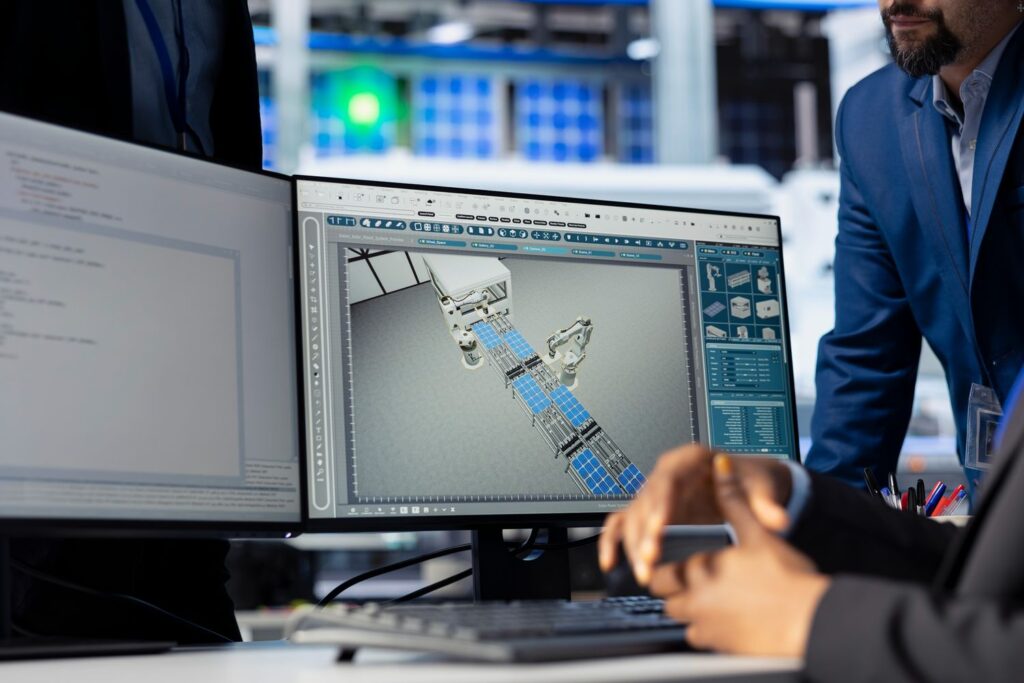
Integrated engineering services(IES) unite all technical disciplines: process, mechanical, electrical, instrumentation, civil, automation, and controls under a single coordinated framework from feasibility study through final commissioning.
Rather than treating design, procurement, construction, and startup as sequential handoffs between disconnected teams, integration ensures these project phases overlap strategically and share a unified data model.
This integrated project management approach delivers what risk-averse project teams need most: predictable cost, schedule, and execution outcomes.
How Integrated Engineering Transforms Engineering Coordination
- All disciplines work within connected platforms using a single, shared database
- Design changes automatically propagate across drawings, models, and specifications
- Interdisciplinary clashes are detected digitally before construction begins
- Engineering documentation remains synchronised through commissioning and handover
Why Coordination Across Systems Matters
When engineering disciplines work in isolation, the consequences compound:
Cost Impacts:
- Late design changes trigger cascading rework across contractors and vendors
- Field fixes and re-fabrication pile up when clashes are not caught early in 3D modelling
- Materials get reordered or expedited because specs and drawings drift out of sync
- Change orders burn contingency meant for genuine unknowns—not coordination gaps
Safety Risks:
- Electrical and instrumentation systems installed without full understanding of process hazards
- Control system interlocks incomplete or incorrectly configured because automation was not involved in Front End Engineering Design (FEED)
- Emergency shutdown sequences untested until commissioning reveals critical gaps
Cost Impacts:
- Systems commissioned individually pass Factory Acceptance Testing (FAT) but fail to integrate in the field
- Supervisory Control and Data Acquisition (SCADA) networks lack proper architecture because IT/OT convergence was not planned during design
- Maintenance teams inherit facilities with undocumented workarounds and incompatible spare parts
Integrated engineering eliminates these failure modes by ensuring every discipline contributes to and validates the unified design throughout project execution. That is why teams turn to Transwater: an engineering-led, multidisciplinary partner that delivers integrated execution from design through handover.
Ready to Upgrade Your Industrial Automation?
How Integrated Engineering Addresses These Challenges
Creating a Single Source of Truth
Integrated engineering replaces static drawings with intelligent, data-driven objects shared across disciplines. Equipment, instruments, and systems are managed as connected datasets rather than isolated documents.
For example, a control valve is not just a symbol on a Piping and Instrumentation Diagram (P&ID); it includes specifications, electrical needs, physical properties, procurement details, and installation constraints.
When operating conditions change, downstream impacts, such as electrical loads, structural supports, and procurement scope, are automatically flagged.
This shifts coordination from manual follow-ups to automated data synchronisation, reducing interface risk.
Detecting Problems Before Construction
Integrated engineering platforms continuously validate designs as they evolve, identifying:
- Physical clashes between piping, cables, and equipment
- Clearance and access violations affecting maintenance and safety
- Specification conflicts between disciplines
- Constructability issues tied to installation sequencing
Issues are resolved during design coordination, when fixes require hours of modelling rather than days of field rework.
Managing Complex Brownfield Conditions
For brownfield projects, integrated engineering is often combined with 3D laser scanning to capture accurate existing conditions.
These scans are converted into intelligent models that allow new equipment to be designed within verified site constraints, enabling confident prefabrication and reducing fit-up risk.
This is especially important in Malaysia and Southeast Asia, where many facilities are decades old and as-built documentation is incomplete or unreliable.
Impact on Total Installed Cost (TIC)
Integrated engineering lowers Total Installed Cost (TIC) by reducing rework, delays, and change orders, as issues are resolved in design rather than in the field.
- Digital clash detection and synchronized updates reduce on-site modifications and re-fabrication.
- A single dataset minimises scope gaps and drawing/spec mismatches that drive variations.
- Verified interfaces enable more offsite prefabrication (spools, skids, panels) with fewer fit-up surprises.
- Build-ready workpacks, fewer RFIs, and cleaner handover data shorten installation and commissioning and reduce punch lists.
Integrated Engineering Partner: What They Do and When to Engage
Integrated engineering partners combine shared-data platforms with multi-discipline coordination to reduce clashes, rework, and documentation gaps across the project lifecycle. In practice, they:
- Align all disciplines in a unified digital environment, with controlled data exchange, versioning, and change tracking.
- Provide true multidisciplinary depth (process, mechanical, piping, electrical, instrumentation and controls, civil/structural), minimising reliance on subcontracted disciplines that can reintroduce coordination gaps.
- Maintain a single source of truth for engineering data, using automated checks (clash, spec, and interface validation) to keep deliverables synchronised.
- Lead quality, compliance, and safety-by-design reviews—covering constructability, operability, and risk studies where required (for example, HAZOP/LOPA and SIL verification).
- For automation-heavy projects, demonstrate system integration capability (such as Main Automation Contractor readiness, vendor partnerships, Factory Acceptance Testing support, and IT/OT cybersecurity considerations).
When To Engage An Integrated Partner
- Feasibility/concept: Establish data foundations early, identify coordination risks, and improve estimate accuracy.
- Detailed engineering: Reduce construction risk on interface-heavy scopes and enable concurrent engineering for fast-track delivery.
- Brownfield modifications: Combine scan-verified conditions with design to enable prefabrication and tighter shutdown windows.
- Digital transformation: Create accurate asset models to support digital twins, predictive maintenance, and long-term operational use.
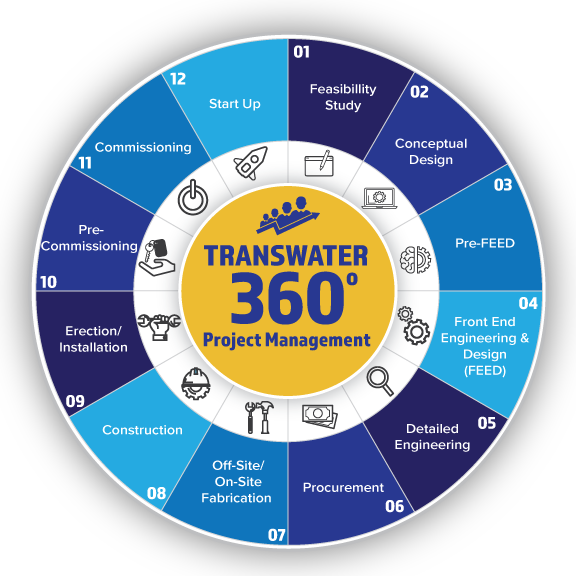
Integrated project management and engineering providers like Transwater support the full project lifecycle from feasibility and FEED through detailed engineering, procurement, construction, and commissioning (EPCC); by aligning disciplines in a shared data environment and controlling interfaces and changes.
Benefits of Integrated Engineering Solutions
Integrated engineering project management helps projects run more smoothly by reducing the gaps that generally form between disciplines, documents, and delivery phases. The biggest benefits show up in four areas:
- Fewer surprises during construction: Design clashes, access issues, and interface mismatches are more likely to be identified and resolved digitally before work reaches the site.
- Less rework and fewer late-stage changes: When data stays synchronised across disciplines, updates are reflected consistently across drawings, models, and specifications, reducing downstream ripple effects.
- More predictable cost and schedule outcomes: Fewer RFIs (Requests for Information), fewer change orders, and more “build-ready” workpacks improve execution flow and reduce stop-start installation.
- Cleaner handover for operations: Asset data, tagging, and documentation stay aligned through commissioning, making turnover packages more usable for maintenance and long-term operations.
Multidisciplinary Engineering Industries and Applications
Integrated engineering is most common in process-intensive facilities, especially oil and gas (O&G), petrochemicals, Liquefied natural gas (LNG), and power or industrial assets where process, mechanical, piping, electrical, instrumentation, and controls must work as one integrated system.
It is particularly valuable when projects involve tight interfaces, fast-track execution, or brownfield tie-ins where design errors can quickly turn into site rework.
In ASEAN regions like Malaysia, the case is often stronger because many plants are approximately 20 to 40 years old, have undergone multiple modifications, and don’t always have reliable as-built documentation.
Add congested plot space and strict owner or code requirements (such as the PETRONAS Technical Standards alongside international codes), and disciplined interface control plus traceable documentation becomes critical for smoother construction and startup.
Transwater project examples that reflect these interface-heavy realities include:
- A 5 Project B11 EPCC Integrated Shutdown for PETRONAS Carigali (2023–2024)
- EPIC for General Electrical Works for PETRONAS Gas Berhad (2019–2021)
Is Integrated Engineering Relevant for Your Projects?
Integrated project management delivers the most value when complexity and interfaces make coordination risk unavoidable. It is generally a strong fit if your projects involve:
- Multiple disciplines with dense interfaces (process, piping, electrical, instrumentation, civil or structural)
- Brownfield modifications in congested areas or with unreliable as-builts (often supported by 3D scanning and BIM tools)
- Fast-track schedules that require concurrent engineering across project phases
- High documentation and traceability requirements through handover
- Digital operations goals (Integrated Digital Transformation & IIoT, digital twins, predictive maintenance) that depend on accurate asset data
- Turnkey system integration solutions for automation-intensive facilities requiring Main Automation Contractor (MAC) capabilities
Self-Assessment: Evaluate Your Coordination Risk
Here is a quick self-check to assess your current coordination risk:
- Do projects routinely face field changes and rework that impact Total Installed Cost (TIC)?
- Does handover documentation create issues for operations and maintenance?
- Are RFIs and coordination meetings consuming significant time?
- Do you have brownfield tie-ins in tight or poorly documented areas?
- Are digital operations initiatives (IIoT, predictive maintenance) on the roadmap?
- Have recent projects experienced safety incidents due to poor system integration?
- Is predictable TIC and schedule certainty critical for stakeholder confidence?
If several of these apply, integrated engineering often tackles the root coordination problem, not just the symptoms.
Your Integrated Engineering Partner
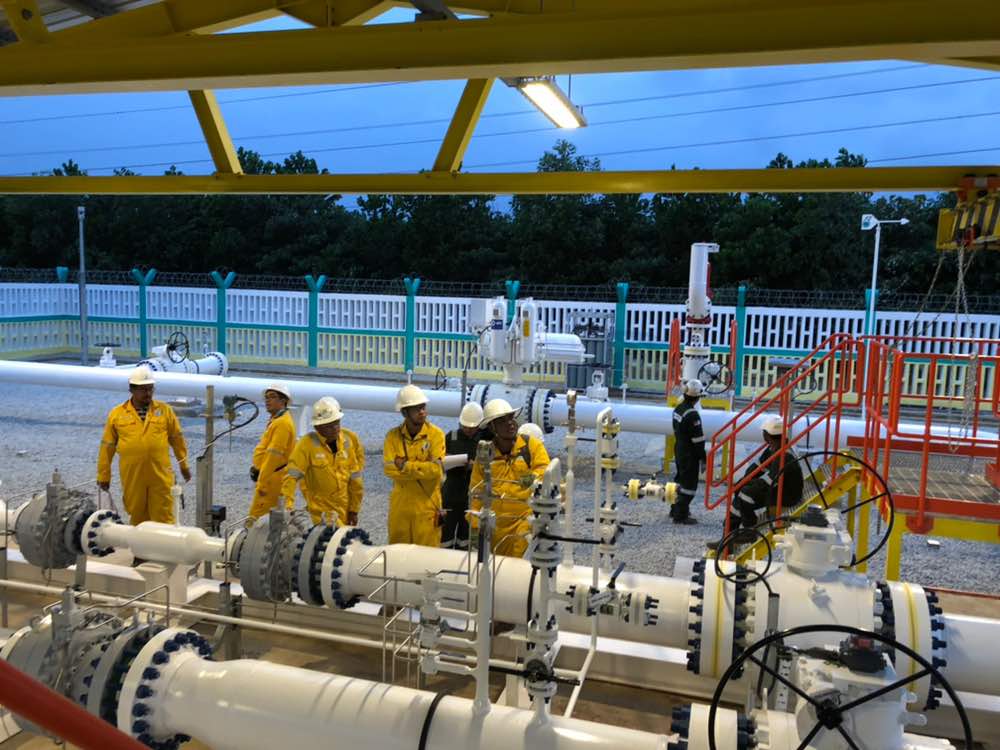
Integrated Engineering Services (IES) reduces rework by aligning disciplines in a shared, synchronised data environment using BIM tools and streamlined process management.
With a single source of truth, clashes are resolved earlier and changes stay controlled—supporting smoother delivery from Front End Engineering Design (FEED) through commissioning, especially on brownfield and interface-heavy projects.
Engineering companies like Transwater make integration practical with multidisciplinary depth, interface management, and handover documentation that operations teams can actually use.
Transwater’s Key Strengths:
- Over 40 years of Malaysian oil and gas experience, with a strong local track record and deep understanding of regional operating contexts
- PETRONAS-licensed contractor (Registered Licence: L-157513-M)
- ISO-certified management systems: ISO 9001:2015, ISO 14001:2015, and ISO 45001:2018
- Integrated multidisciplinary capability with end-to-end support across multiple engineering disciplines
Ready to learn how integrated engineering can apply to your upcoming projects? Connect with our engineering partners who can assess your specific requirements and coordination challenges.
Ready to Upgrade Your Industrial Automation?
Frequently Asked Questions
What is the difference between integrated engineering and hiring an EPCM contractor?
EPCM (Engineering, Procurement, and Construction Management) is a commercial contract structure that defines risk allocation and procurement ownership. Integrated engineering is a technical methodology defining how disciplines share data.
You can have an EPCM contract with siloed engineering or multiple contractors with integrated engineering. The data approach matters more than the contract structure.
How do I know if coordination problems are affecting my projects?
Watch for these indicators:
- Contractors requesting information through email rather than shared systems
- Tag numbers that do not match across different discipline documents
- Frequent field changes during construction
- Excessive time spent in coordination meetings
- Operations receiving disconnected documentation at project handover
Is integrated engineering management only beneficial for large projects?
Not necessarily. In Malaysia, project size matters less than complexity—especially for brownfield work at mature plants where space is tight and as-built documentation may be incomplete.
In practice, interface density, brownfield constraints, and schedule pressure are better indicators than budget alone.
Can our existing contractors work in an integrated environment?
Often yes, if they use compatible modelling platforms and commit to shared database protocols. The requirement is a willingness to work within a unified digital environment rather than maintaining discipline-specific tools and files in isolation.
When should we start thinking about integration for a project?
Ideally during feasibility or front-end engineering design (FEED), when data foundations are established. Integration can still be implemented during detailed design, though some early-phase benefits are lost.
For projects already in construction, focus shifts to capturing accurate as-built data for future modifications.