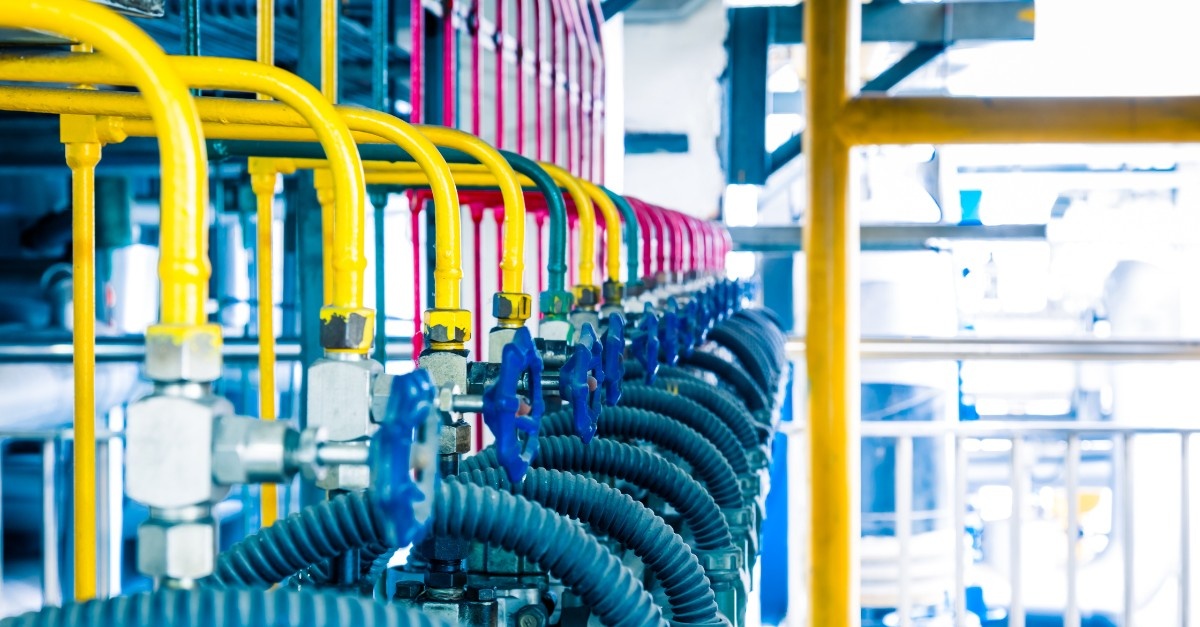
Reliable plant performance depends on more than individual valves or standalone components. Stable operations rely on multiple systems working together, such as handling flow control and pressure management while isolating sections of the process when needed.
A flow control system, pressure management system, and isolation system should be understood as connected parts of a broader reliability strategy.
When these systems are properly designed, supported by comprehensive process and plant services, and applied to the right operating conditions, they help reduce stress on equipment, support safer operations, and limit the risk of costly downtime.
For industrial operators in Malaysia, this matters in both continuous and critical process environments; from oil and gas plants and petrochemical facilities to power generation and utilities, whether the priority is operational stability, asset protection, or maintenance readiness.
This article explains how each system works, how they interact, and what operators in Malaysia’s process industries should consider when evaluating system design, maintenance practices, and engineering support.
Table of Contents
Key Takeaways
- Flow control, pressure management, and isolation systems serve different functions, but all three are essential to safe and reliable plant operations.
- Failures in any one of these systems can create instability, accelerate equipment wear, and lead to unplanned downtime that is far more costly than planned maintenance.
- Proper system design, routine maintenance, and support from a qualified engineering partner improve long-term plant performance and reduce avoidable disruptions.
What Is a Flow Control System?
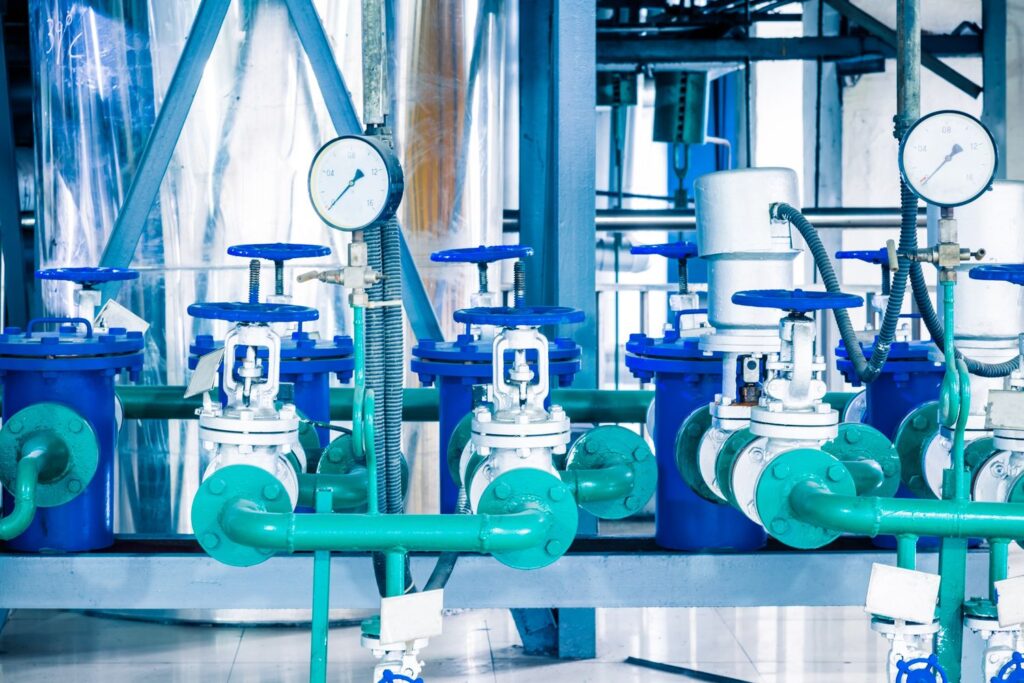
A flow control system regulates how fluid moves through a process. Flow control systems maintain the required flow conditions so the system can operate without excessive fluctuation, instability, or downstream stress.
In industrial plants, effective flow control is not just about opening or closing a valve; it is about sustaining consistent process behaviour across varying demand conditions.
A well-designed flow control system maintains process consistency, supports operational efficiency, and protects equipment from the effects of erratic flow conditions.
How Flow Control Systems Are Used in Operations
Flow control systems are used wherever fluid flow regulation needs to match process requirements across upstream and downstream process units.
Common applications include maintaining stable feed rates, controlling process control loops, managing pump discharge conditions, and supporting downstream equipment that depends on predictable flow behaviour.
Why Flow Control Matters
When flow is not properly controlled, the impact is felt across the wider system. Poor control creates instability, increases mechanical wear, reduces efficiency, and places unnecessary stress on valves, pumps, and connected equipment.
Effective flow control helps operators maintain process stability, reduce unnecessary energy use, protect valve internals and downstream assets, and improve overall operating consistency.
Common Issues When Flow Control Systems Fail
When a flow control system is underperforming, the symptoms are often felt across the wider process, not just at the valve itself.
Symptom | Operational impact |
Unstable flow rates | Process variability and inconsistent output quality |
Excessive vibration or noise | Mechanical fatigue in connected equipment |
Inconsistent pump performance | Reduced throughput and increased energy draw |
Premature valve wear | Higher replacement frequency and unplanned maintenance |
Rising maintenance frequency | Early signal that the system is operating outside design intent |
In liquid service, poor flow control can also contribute to cavitation, a condition where vapour bubbles form and collapse within the fluid, accelerating internal damage and significantly shortening equipment service life.
Why Proper Design and Maintenance Matter
Flow control performance relies heavily on proper system selection, sizing, and ongoing maintenance to prevent high-quality components from underperforming. Yet, reactive maintenance remains a major risk.
With nearly 90% of offshore platforms in Peninsular Malaysia operating in a mature phase, relying on “run-to-failure” strategies accelerates equipment deterioration and inflates costs. Ultimately, waiting for failures is the most expensive and disruptive approach, directly threatening production safety and operational sustainability.
A stronger long-term approach includes:
- Selecting equipment based on actual operating requirements
- Considering the full process loop, not just one component
- Monitoring performance trends and valve condition over time
- Maintaining valves and related instruments through a preventive maintenance program, before wear becomes a failure event
Flow control problems rarely occur in isolation. See how they connect to broader operational risk in Top Flow Assurance Challenges in Malaysia’s Oil & Gas Production.
What Is a Pressure Management System?
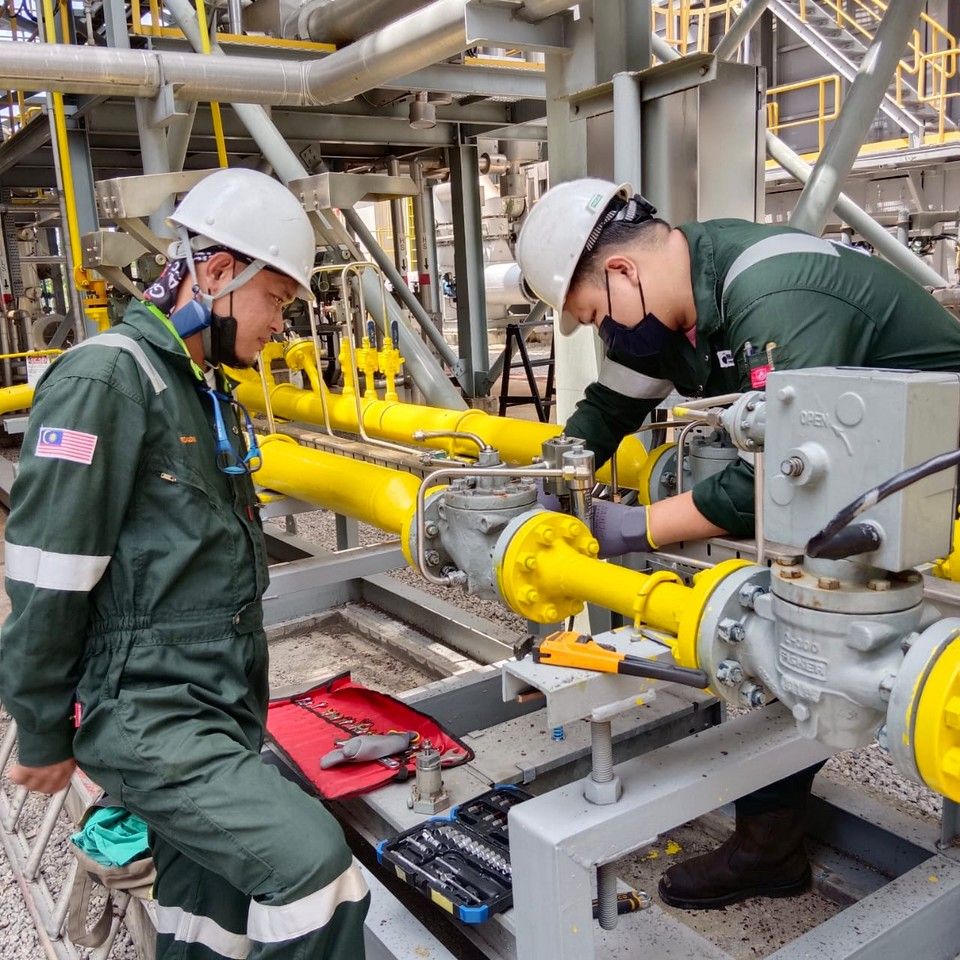
A pressure management system keeps pressure within a safe and functional range across a process or pipeline. Pressure management systems serve a dual purpose: preventing overpressure events and supporting more stable, controlled operation under changing process conditions.
In practical terms, pressure management protects both equipment and process performance. Pressure management systems reduce unnecessary stress on the system while supporting continuity, safety, and reliability.
How Pressure Management Systems Are Used in Operations
Pressure management systems, including pressure control valves and regulators, regulate upstream and downstream pressures, maintain safe operating limits, and reduce pressure variations caused by changing process demand.
Pressure management is especially important in systems where instability can affect equipment life, process control, or overall plant safety, including pipelines, steam systems, utility distribution networks, critical process loops, and pressure relief systems designed to provide overpressure protection during abnormal operating events.
Why Pressure Management Matters
Unmanaged or highly variable pressure creates compounding issues, increasing the risk of leaks, straining process equipment, and generating avoidable maintenance.
In Malaysia, poor pressure management also carries strict compliance risks. Pressure-containing equipment is regulated under the Factories and Machinery Act, which requires a valid Department of Occupational Safety and Health (DOSH) Certificate of Fitness (CF), while facilities supplying PETRONAS assets must strictly adhere to PETRONAS Technical Standards (PTS) governing pressure-relief design and pipeline integrity.
Ultimately, a well-designed pressure management system treats this regulatory compliance as a baseline, actively protecting assets from unnecessary stress, improving process stability, and ensuring safer operations across the plant.
Common Issues When Pressure Management Systems Fail
When pressure management is inadequate, the consequences tend to compound rather than resolve on their own.
Consequence | Why it matters |
Pressure fluctuations | Destabilises process control and stresses connected equipment |
Overpressure events | Risk of equipment failure, leaks, or safety incidents |
Chronic leakage at joints and valve seats | Ongoing product loss, environmental exposure, and compliance risk |
Accelerated wear on piping and valves | Shortened asset life and higher capital replacement costs |
Recurring shutdowns | Lost production time and compounding maintenance burden |
In ageing systems, unmanaged pressure can worsen existing weaknesses in joints, fittings, and other critical points. This creates a compounding deterioration that is more disruptive and expensive to address the longer it goes unattended.
Why Proper Design and Maintenance Matter
Pressure management should not be treated as a one-time installation decision. Set points, operating conditions, and process demands change over time, which means the system also needs regular review and maintenance.
A more reliable approach includes:
- Selecting the right pressure control strategy for the application
- Verifying that the equipment suits actual operating conditions
- Inspecting and maintaining pressure regulators, relief devices, and related components
- Reviewing performance as plant conditions evolve
Not sure which pressure control equipment fits your application? Control Valves, Pressure Regulators & Relief Valves: Selection Guide walks through the key selection criteria.
What Is an Isolation System?
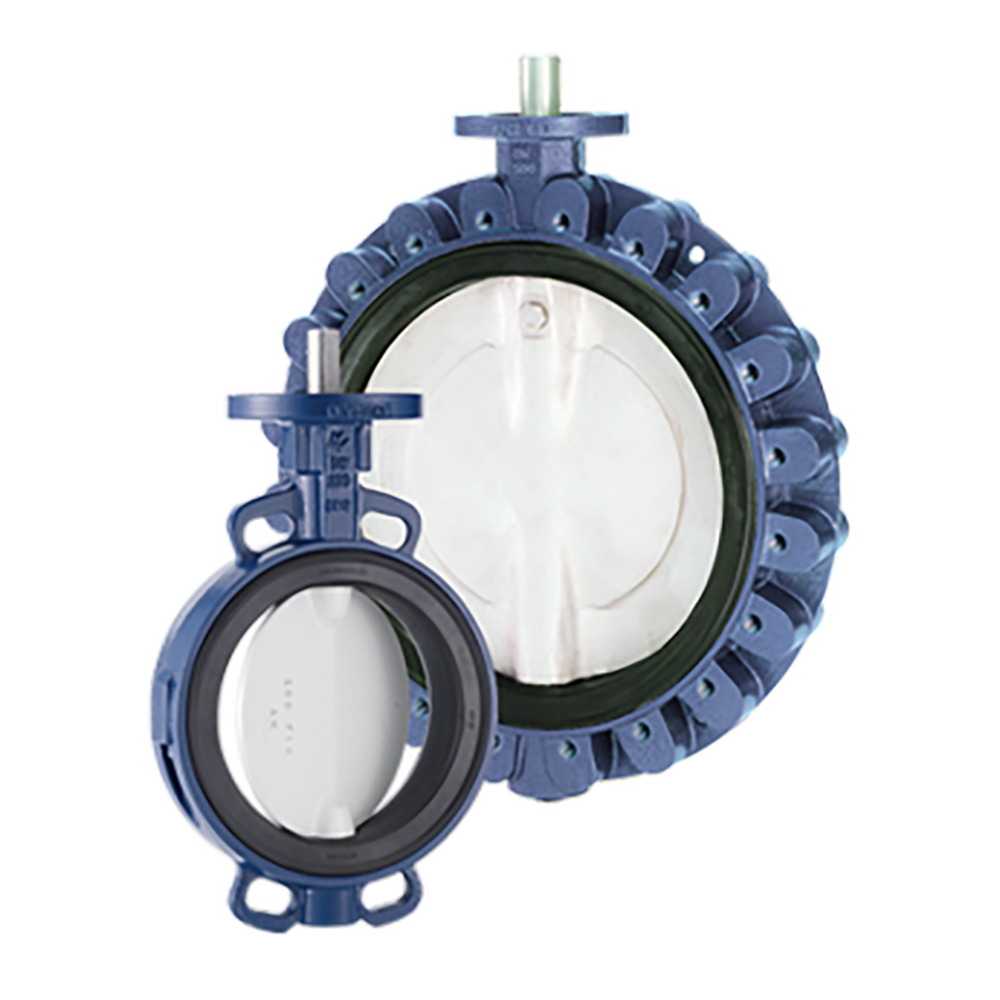
An isolation system stops, separates, or secures sections of a process when flow needs to be contained. Isolation systems are used during maintenance, equipment failure, emergencies, or other operating conditions where controlled isolation is necessary.
Isolation is often viewed as a shutdown function only, but isolation systems play a much broader role in plant safety and operational readiness than emergency response alone.
How Isolation Systems Are Used in Operations
Isolation systems separate process sections, protect personnel during maintenance activities, limit the spread of a fault, and support safer intervention when equipment or lines need to be worked on.
Common examples include isolation and shutoff valves such as gate valves, ball valves, triple offset valves, and emergency shutdown valves (ESDVs), each selected to match the shutoff class, actuation requirements, and service conditions of the application.
In critical services, isolation also supports plant resilience by helping operators contain an issue before it affects a wider part of the system.
Why Isolation Matters
Without effective isolation capability, even a routine maintenance task or plant turnaround becomes more complicated, disruptive, or risky. During planned turnarounds, reliable isolation is what allows specific sections to be safely taken offline while the rest of the plant continues to operate.
During abnormal conditions, poor isolation performance delays response, increases personnel exposure, and makes shutdown activities harder to manage safely.
A dependable isolation system helps operators protect people and equipment during maintenance and upset events, isolate affected sections with less disruption to the wider plant, improve maintenance readiness, and reduce escalation risk when abnormal conditions arise.
Common Issues When Isolation Systems Fail
Isolation-related problems are particularly disruptive because they affect the plant’s ability to respond safely to faults, not just the valve’s performance.
Problem | Effect on operations |
Incomplete shutoff | Flow continues into areas that should be contained |
Valve seat leakage | Slow ingress of fluid across supposedly closed sections |
Slow or unreliable actuator response | Delayed fault containment during time-critical events |
Inability to isolate for maintenance | Work cannot proceed safely; broader shutdown required |
Disruption beyond the affected area | What should be a local fix becomes a plant-wide event |
In some cases, repeated replacement of individual components does not resolve the underlying problem. The root cause may lie in system design, operating conditions, or maintenance gaps, and addressing only the symptom leaves the same failure pattern in place.
Why Proper Design and Maintenance Matter
Isolation performance depends on more than the presence of a valve alone. Reliable isolation requires selecting the right approach for the service conditions, matching equipment to process risk, and ensuring the system remains functional over its operating life.
This is especially relevant during periods requiring extensive Turnaround Services and Shutdown Planning and Support, times when isolation systems carry the highest operational load and where any gap in shutoff capability directly affects the safety and duration of the maintenance window.
A stronger long-term approach includes:
- Selecting equipment based on actual operating requirements.
- Utilising Valve & Loop Audit Services to assess the full process loop, not just one component.
- Leveraging Diagnostics Services – ValveLink & Flow Scanning to monitor performance trends and valve condition over time.
- Moving away from run-to-failure by implementing Preventive and Predictive Maintenance, secured through reliable Service Maintenance Contracts.
Integration in the Hydrocarbon and Power Industry
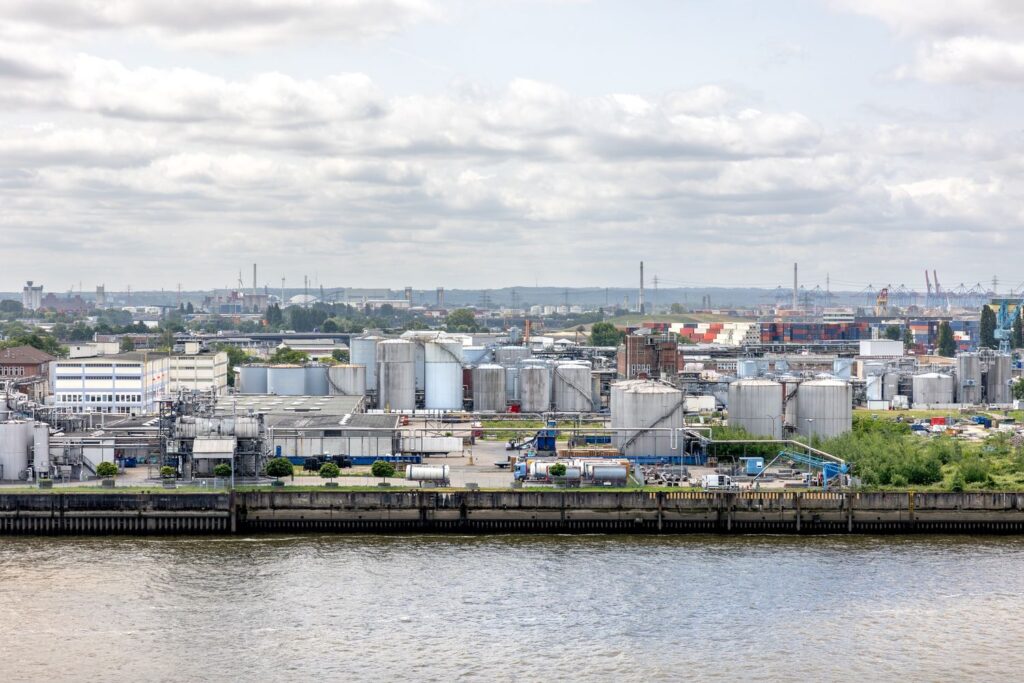
In the hydrocarbon and power industry, flow control, pressure management, and isolation systems rarely function as standalone elements. These systems work together to support stable process performance, protect equipment, and promote safer plant operations across interconnected systems.
Thus, forming the operational backbone of process safety management and asset integrity programmes in oil refineries, gas processing plants, LNG facilities, and power plants of any scale.
Flow control manages process conditions and ensures consistent operation. Additionally, pressure management keeps systems safe and reduces stress on equipment and pipelines.
Isolation systems, meanwhile, pose risks but support maintenance and enable safer responses during process upsets or equipment failures.
As these systems are closely linked, a weakness in one area affects overall plant performance:
System gap | Knock-on effect |
Poor flow control | Pressure instability propagates across the system |
Unmanaged pressure | Additional stress on valves, piping, and critical equipment |
Weak isolation capability | Maintenance and fault response become harder to manage safely |
For this reason, operators need to assess how these systems interact under actual operating conditions, especially during load changes, process upsets, and maintenance events.
How Design and Maintenance Gaps Affect Reliability
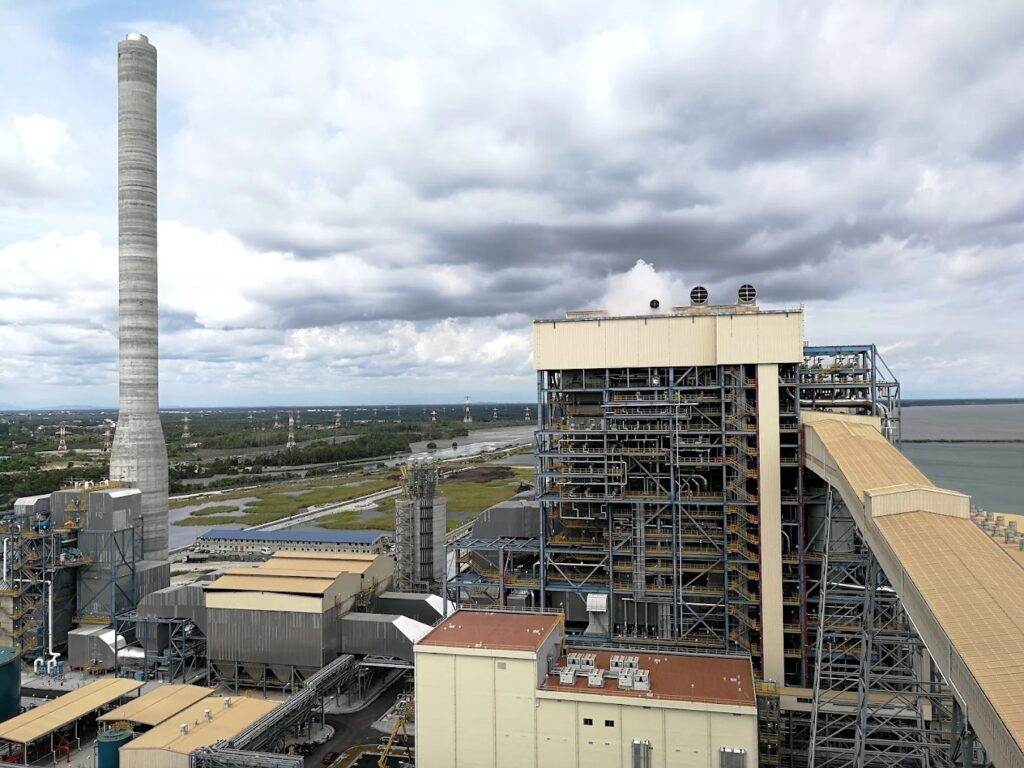
Systems underperform when operating conditions shift or maintenance is delayed, turning manageable planned interventions into costly unplanned shutdowns.
The financial impact is severe: an unplanned equipment outage at Malaysia’s Tenaga Nasional Bhd Manjung 4 power plant recently caused a projected RM400 million revenue loss in a single year.
Left unchecked, these gaps compound into mechanical stress, instability, and shortened asset lifespans.
Early detection and proactive maintenance remain the most cost-effective strategies, proving that long-term reliability requires both proper initial selection and continuous system review.
Why Qualified Engineering Support Matters
Because flow control, pressure management, and isolation systems affect safety, performance, and maintainability, technical support should go beyond product supply alone. Engineering support from qualified consultants helps operators assess the application in its entirety.
Malaysian operators need a partner who translates local compliance mandates, such as DOSH and PETRONAS Technical Standards, into practical system decisions. Ultimately, real-world application experience consistently outperforms basic product knowledge.
In practice, comprehensive Performance Consultative Services alongside expert Troubleshooting & Engineering cover the full project lifecycle:
- Understanding process requirements before selection
- Aligning design choices with operational and compliance goals,
- Supporting system reviews, upgrades, and maintenance planning
- Improving confidence during commissioning and troubleshooting
- Providing technical guidance from specification through to ongoing operations.
The value of this support lies in reducing system mismatch, improving application fit, and producing better long-term outcomes for the plant.
Integrated System Performance with Transwater
Flow control, pressure management, and isolation systems each play a distinct role in plant operations. Their full value, however, is realised when they are approached as part of a broader reliability strategy rather than selected and managed in isolation.
Integrated industry consultants like Transwater bridge the gap between individual components and plant-wide reliability, providing the engineering oversight needed to ensure these critical systems work seamlessly together.
How Transwater Supports Reliable Plant Operations
- Established Legacy: Supporting Malaysian industrial operators since 1981.
- Sector Reach: Providing engineering-led solutions for onshore and offshore hydrocarbon, power, and utility facilities.
- Strategic Partnerships: Serving as the local application partner for Emerson and Fisher.
- Core Expertise: Over four decades of experience in flow control, pressure management, isolation systems, and instrumentation.
- Verified Compliance: Backed by PETRONAS vendor status and ISO 9001/14001/45001 certifications.
- Accessible Local Support: Regional operations across Peninsular, East Coast, and East Malaysia ensure technical assistance is available right where the plants operate.
To learn more about how Transwater supports reliable plant operations across Malaysia’s process industries, reach out to our industry consultants today.
Ready to Upgrade Your Industrial Automation?
Frequently Asked Questions
What are the signs that flow control, pressure management, and isolation systems need review?
Common signs include recurring leaks, unstable flow or pressure, frequent valve issues, rising maintenance needs, and repeated unplanned downtime.
These problems may indicate that the systems are no longer aligned with current operating conditions and warrant a structured reliability review.
Can older plants improve flow control, pressure management, and isolation performance without full system replacement?
Yes. Many older plants can improve performance through targeted Overhaul, Repair, Refurbish & Retrofit Works.
Full replacement is not always necessary if the existing system can be optimised to better match current operating requirements. A qualified engineering assessment can identify which approach delivers the best outcome.
How do flow control, pressure management, and isolation systems help reduce downtime?
These systems reduce downtime by improving process stability, limiting equipment stress, and making it easier to contain or respond to operational issues.
When all three perform reliably together, plants are less likely to face avoidable interruptions, and better positioned to manage planned maintenance without extended shutdowns.
What should be checked during maintenance for flow control, pressure management, and isolation systems?
Maintenance should focus on valve performance, pressure stability, shutoff reliability, actuator condition, instrument response, and signs of wear or drift. Regular checks help detect gradual performance issues before they lead to failures or unplanned shutdowns.
Is it possible for the right system design to improve both safety and efficiency?
Yes. Well-matched system design helps plants operate more steadily while reducing unnecessary stress on equipment. In practice, better reliability supports both safer operations and more efficient performance over time, reducing the total cost of ownership across the asset lifecycle.